From the field
Trade Document Intelligence
Practitioner insights on customs declaration automation, HS code classification, ACE filing, and freight forwarding technology. Written by people who've worked in trade compliance.

We ran Tradevynt's extraction engine against 500 real commercial invoices and measured classification accuracy by HS heading depth. Here's what failed and why.

We talked to freight forwarders and independent customs brokers about where they want machine help. The answer is more specific than 'just automate everything.'

Mismatched piece counts, wrong country of origin, missing consignee DUNS: we catalogued the errors that cause the most customs delays and how to catch them before filing.

Cross-referencing an HS code against a destination tariff schedule sounds straightforward. It isn't — anti-dumping flags, staging agreements, and PGA requirements turn a lookup into a decision tree.

From TMS to customs filing portals to carrier APIs — where does document intelligence actually plug in? A practical map for mid-size forwarders.

ISF 10+2, AMS, ABI entry — the CBP's Automated Commercial Environment has strict pre-arrival windows. Here's the timeline every importer and forwarder should know.

General-purpose OCR handles PDFs reasonably well. But customs documents — with inconsistent templates, multi-language text, and handwritten amendments — require a different approach.
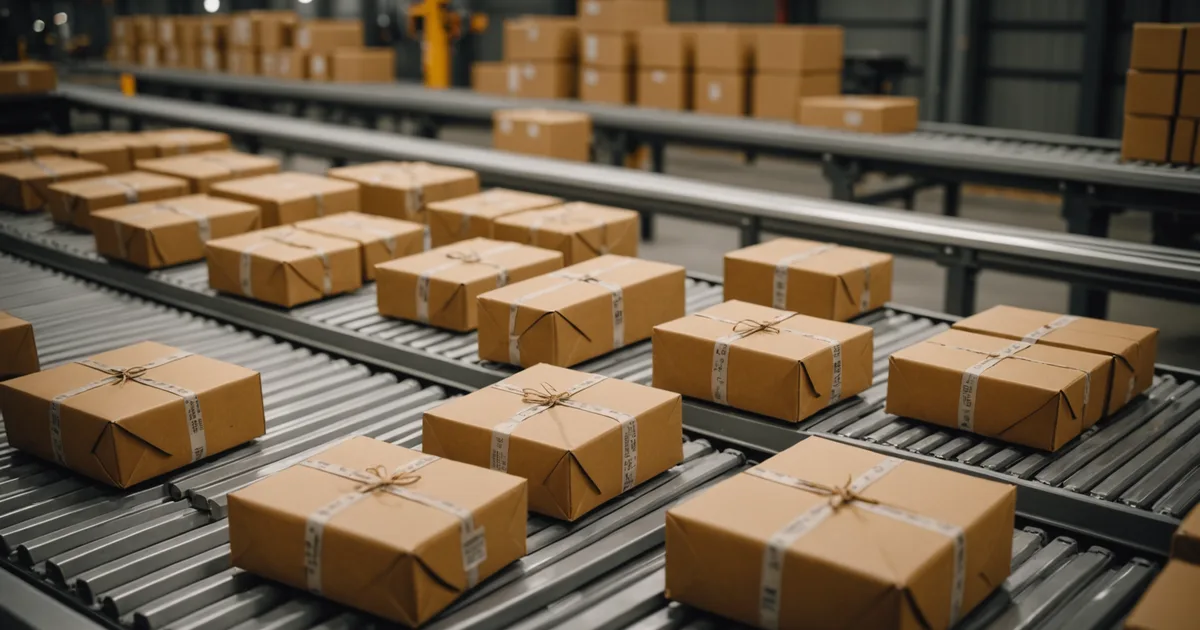
With e-commerce driving thousands of sub-$800 shipments daily, Type 86 entries have become a volume problem. Here's how extraction automation changes the economics.

CBP penalties for misclassification range from liquidated damages to fraud allegations. Understanding the risk tiers is the first step to knowing where automation earns its keep.

The importer of record carries legal liability for every customs filing. Here's what data extraction can reliably automate — and where a human must stay in the loop.

Partner Government Agency data — FDA, USDA, EPA, CPSC — adds layers of required fields to customs entries. Here's which product categories trigger PGA requirements and what data is needed.

A technical walkthrough of the /v1/extract endpoint — request shape, response schema, webhook delivery, and how to handle low-confidence field flags in your own UI.