Our story
We built Tradevynt because customs declarations shouldn't take 22 minutes each.
Aisha Mensah spent six years handling customs compliance and trade finance operations at a mid-size freight forwarder in Lower Manhattan. Her team processed hundreds of ACE entries monthly — Type 01, Type 06, ISF 10+2 filings — and every one of them started the same way: someone re-keying fields from a PDF BoL into a broker portal. HS codes, declared values, consignee identities, port of loading, piece counts. By hand. Document by document.
In 2021, she founded Tradevynt to automate the extraction layer — the part nobody had solved correctly because doing it right requires customs domain knowledge, not just OCR. A general document reader doesn't know that a Schedule B number and an HS code are related but different, or that freight charges and declared value must be reconciled before an entry passes validation. We do.
Mission
One goal, clearly stated.
Your compliance team's value is in knowing when a flagged HS code will trigger an ADD/CVD order, or why a phytosanitary certificate from a particular country needs USDA review before ACE acceptance. That judgment can't be automated. The data entry that precedes it absolutely can.
Generic OCR has been around for two decades. What it can't do is understand that a BoL freight terms field differs structurally from a commercial invoice Incoterms field, or that a missing piece count on a packing list is a hard stop for CBP — not a field to leave blank and route anyway. That customs-specific validation layer is what Tradevynt is built on.
"Our one goal: every customs entry should be data-in, filing-ready-out, with no manual field lookup."
Team
Built by practitioners.
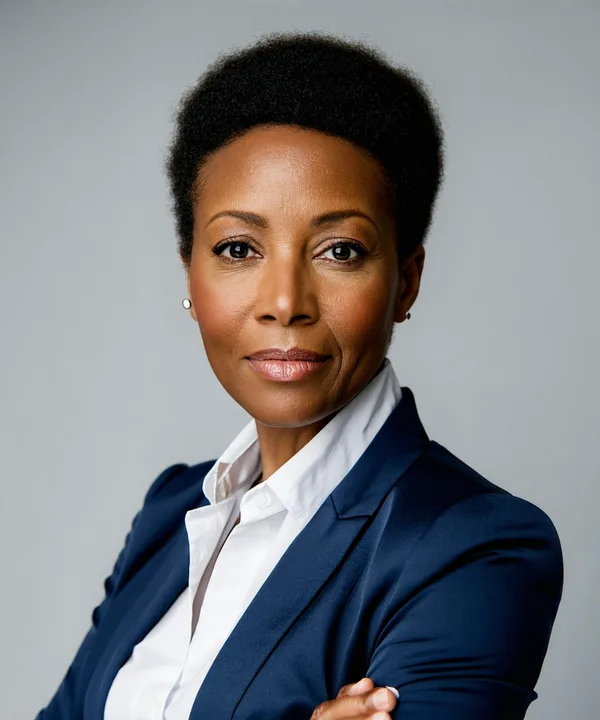
Six years in trade finance and customs compliance at a NYC-based freight forwarder before founding Tradevynt in 2021. Deep background in ACE entry types, CBP broker relationships, and the operational realities of mid-market freight forwarding.
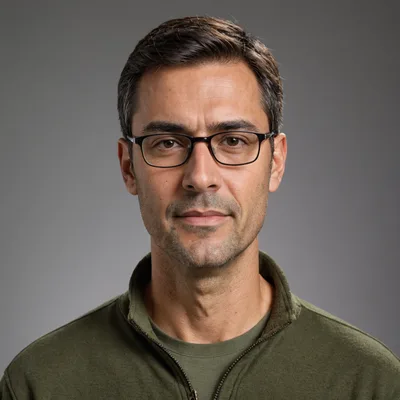
Eight years in document AI and OCR engineering — first at a mortgage document processing company, then leading extraction pipeline work at a trade finance data startup. Joined Aisha in 2021 to build the customs-specific extraction model from the ground up. Responsible for the field confidence scoring and cross-document reconciliation logic that sets Tradevynt apart from generic OCR tools.
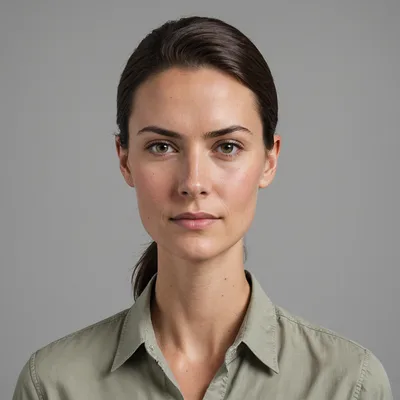
Five years building TMS and customs broker portal integrations at a logistics middleware company. Knows the data models and quirks of the common freight software stack — what fields each broker portal expects, how TMS platforms handle duty classification, where ACE-destined data gets mangled in transit. Leads all connector development at Tradevynt.
Where we work
New York's financial district.
Based at 55 Water Street in the heart of New York's financial district — two blocks from the CBP field office and in the same building cluster as some of the largest customs brokers in the US. That proximity isn't incidental. It shapes how we build: our customers aren't abstractions, they're neighbors we run into at the CBP quarterly meeting.